Written by the Aerocreate team
AI film production · Process
Every few months a new model promises to make filmmaking automatic. In practice, the films that work still come from the same place they always did: a clear idea, a strong script and people who know how to direct, cut and sound a story. What has changed is how much a small, senior team can now produce.
Where AI helps
- Look development: testing ten visual directions in a day instead of a week.
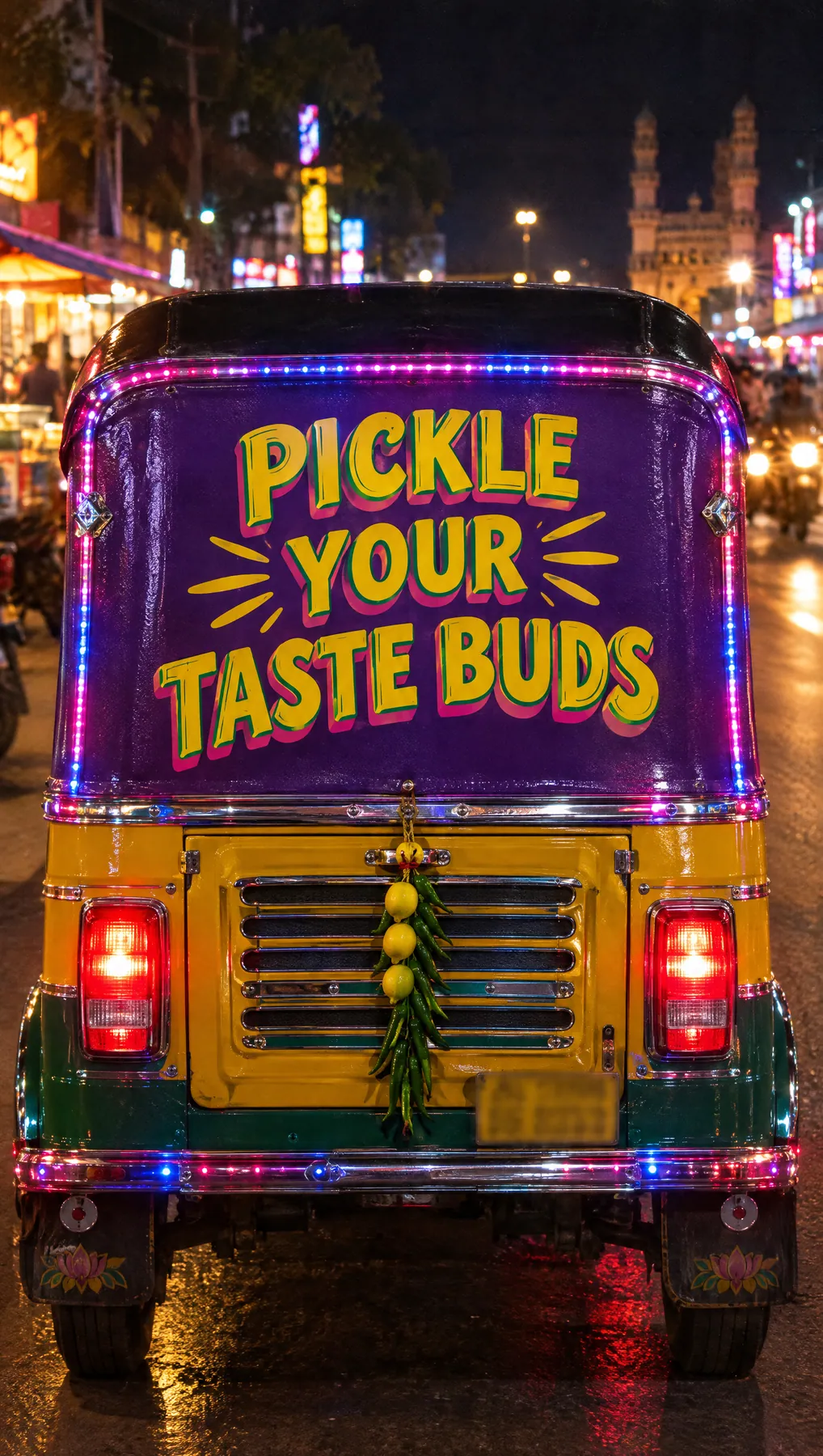
- Characters and worlds: building consistent casts and environments that would need sets, travel or VFX.
- Shot production: generating, selecting and refining shots to a storyboard.
- Versions: new markets, languages, seasons and formats from one master.
Where people stay in charge
The idea, the script, casting decisions, the edit, colour, music, the final mix and every approval. These are the choices that make audiences feel something, and they are the choices clients are paying for.
What this means for budgets
AI removes some of the most expensive line items in production: crew days, locations, travel and reshoots. It doesn't remove craft time. A good AI film still needs writing, direction and post. The saving lets brands make more, test more and refresh more often.
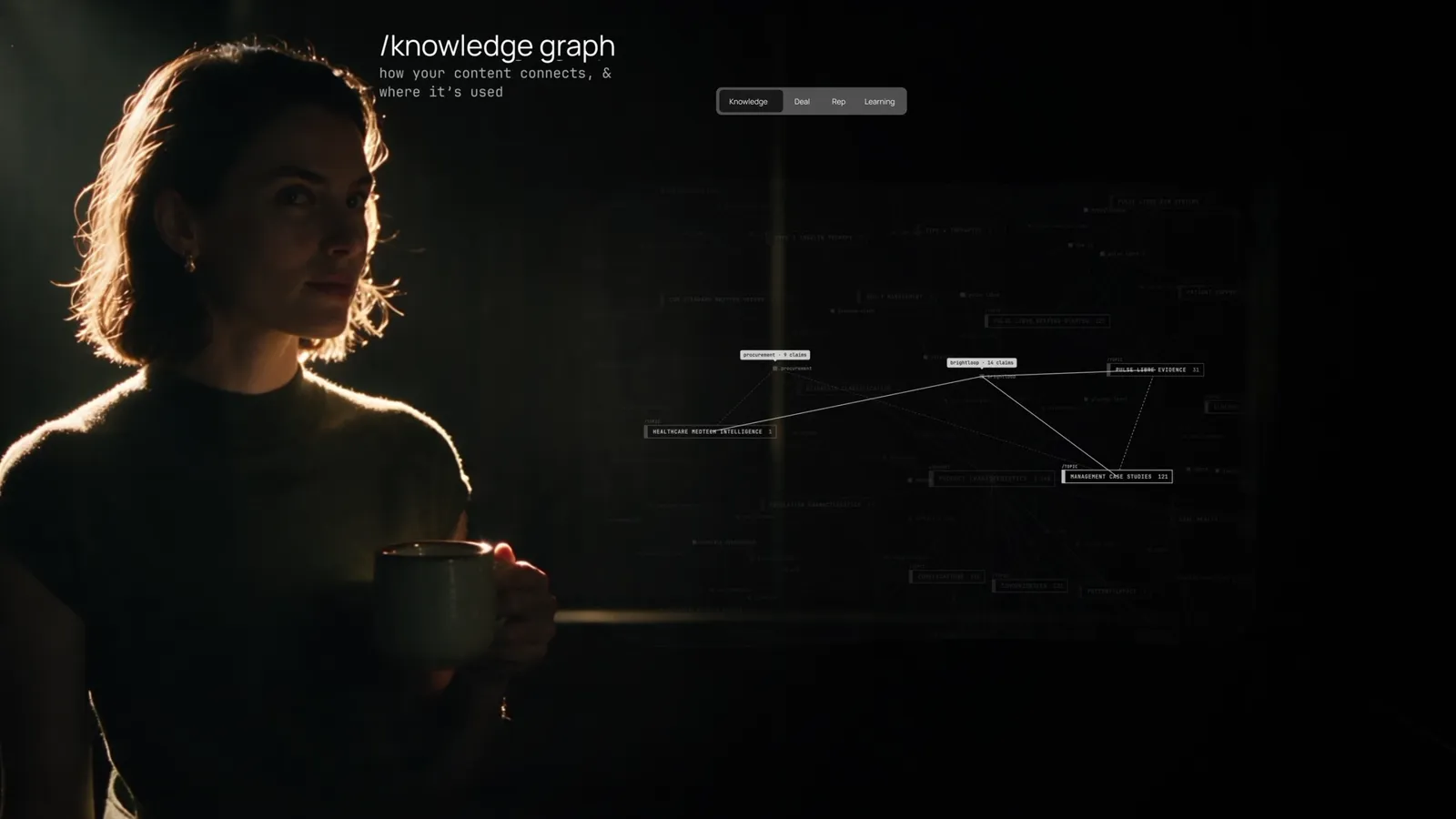
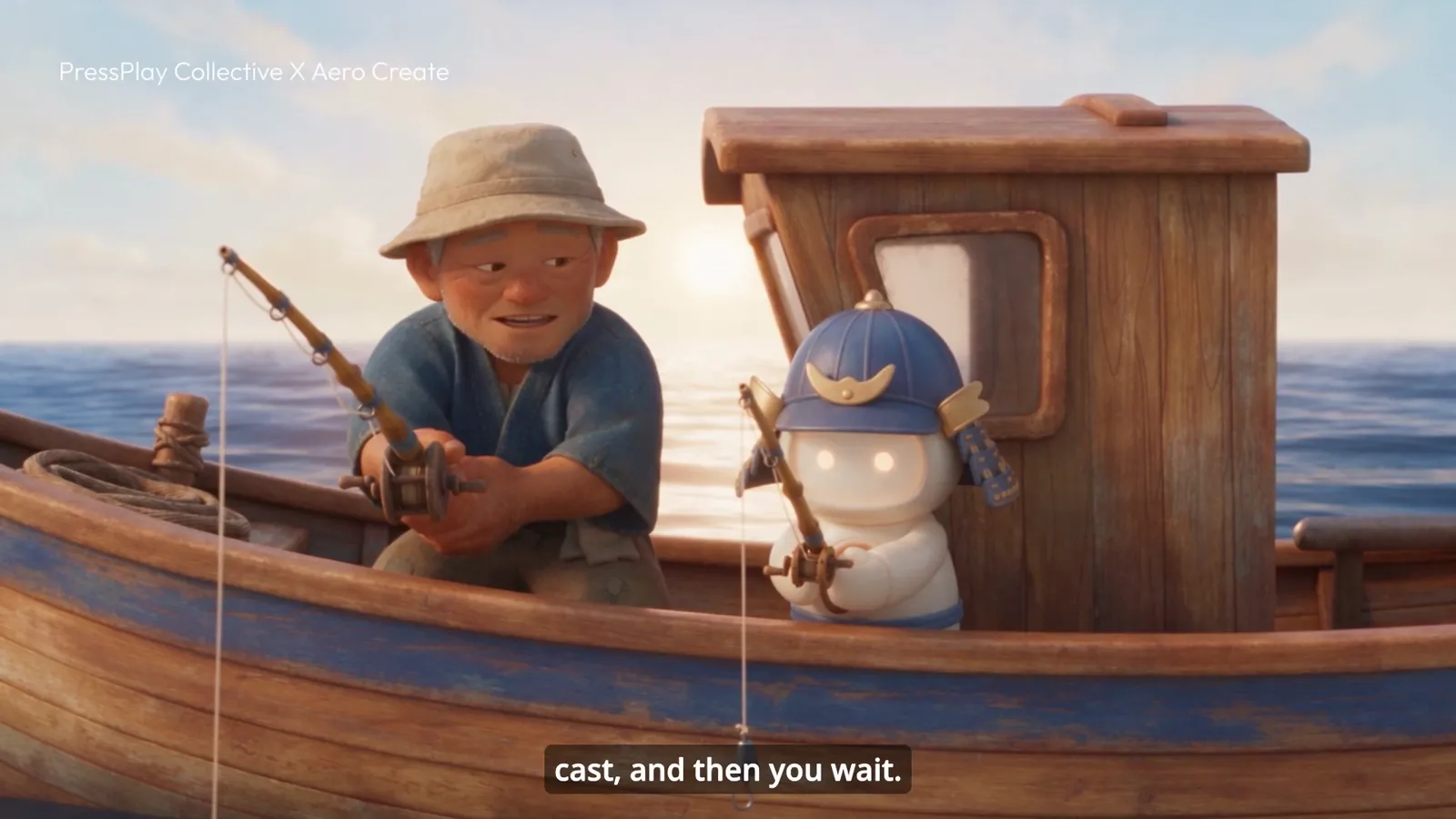
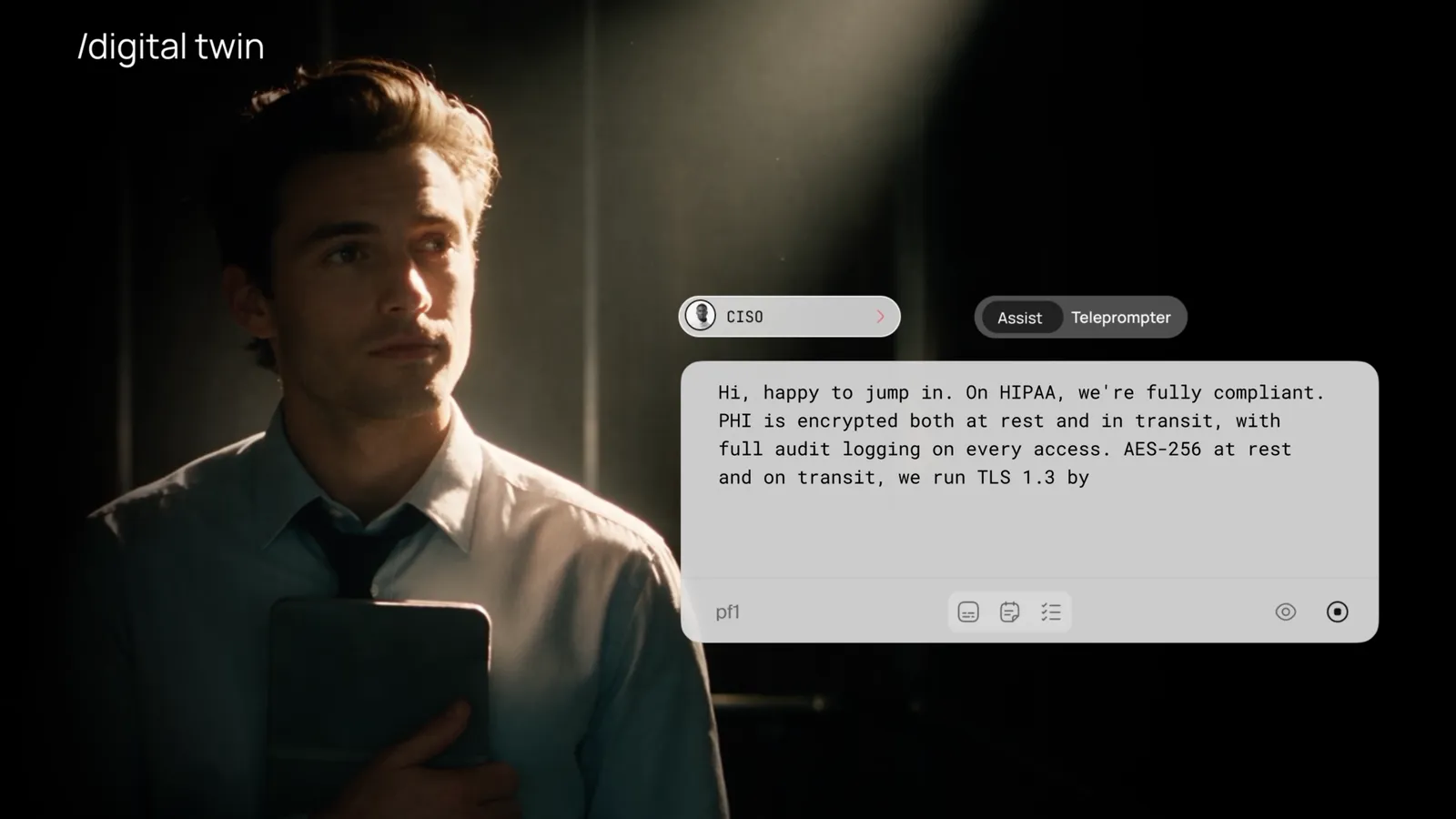
Our PF1.ai brand film and our original series Ollie were both made this way: human-written, human-directed and finished with the same care as a live-action production.